



Adenosine Receptor
P1 receptor
Adenosine receptors (ARs) comprise a group of G protein-coupled receptors (GPCR) which mediate the physiological actions of adenosine. To date, four AR subtypes have been cloned and identified in different tissues. These receptors have distinct localization, signal transduction pathways and different means of regulation upon exposure to agonists. A key property of some of Adenosine receptors is their ability to serve as sensors of cellular oxidative stress, which is transmitted by transcription factors, such as NF-κB, to regulate the expression of ARs. The importance of Adenosine receptors in the regulation of normal and pathological processes such as sleep, the development of cancers and in protection against hearing loss will be examined.
Adenosine Receptor Isoform Specific Products
All Product Categories
-
Adenosine Receptor Inhibitors
(41)
View all products
-
Adenosine Receptor Agonists
(119)
View all products
-
Adenosine Receptor Antagonists
(203)
View all products
-
Adenosine Receptor Activators
(9)
View all products
-
Adenosine Receptor Modulators
(11)
View all products
-
Adenosine Receptor Degrader
(1)
View all products
-
Adenosine Receptor Ligands
(13)
View all products
-
Adenosine Receptor Related Products (428)
Related Products (428)

-
Antibodies (2)
-
Adenosine Receptor Isoform Comparison
-
AZD9750
 0 ImagesAZD9750 is an orally active, Cereblon (CRBN)-recruiting, androgen receptor (AR)-targeted PROTAC degrader. AZD9750 induces the proteasome-dependent degradation of both wild-type AR and the drug-resistant mutant ARL702H, thereby inhibiting the AR signaling pathway. AZD9750 suppresses tumor growth in mouse prostate cancer xenograft models and has been utilized in prostate cancer research.
-
PSB-1901
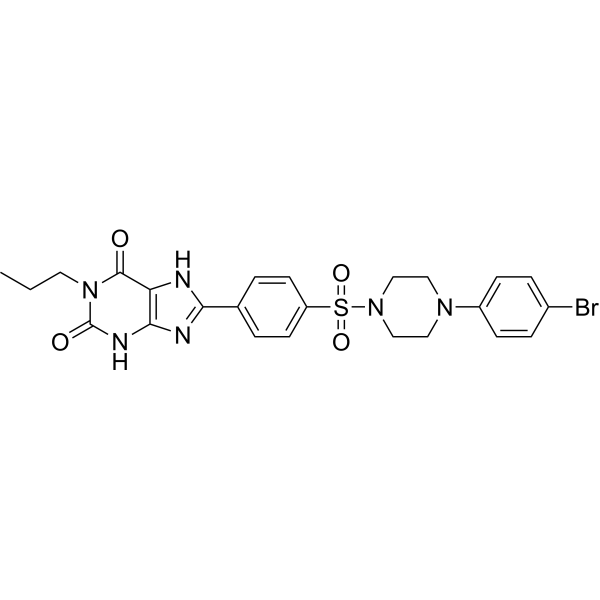 0 ImagesCat. No.: HY-153897CAS No.: 2332835-02-4PSB-1901 is a potent A2B adenosine receptor (A2BAR) antagonist with Kis of 0.0835 nM and 0.131 nM for human and mouse A2BARs respectively. PSB-1901 can be used for the research of cancer.
-
Theophylline-d6
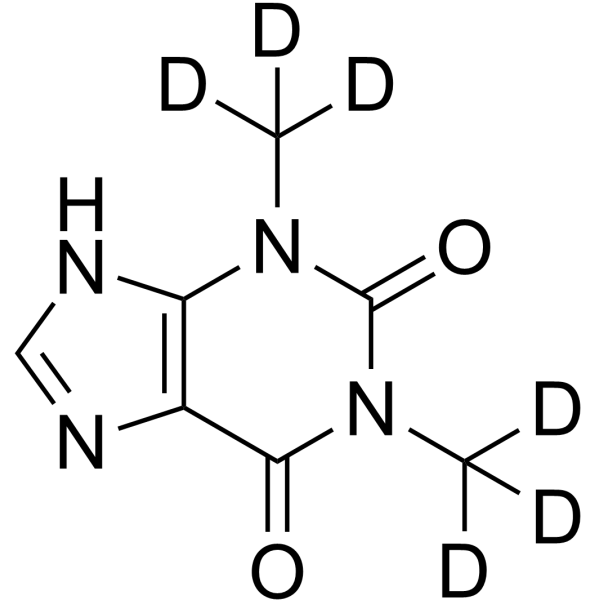 0 ImagesSynonyms: 1,3-Dimethylxanthine-d6; Theo-24-d6Theophylline-d6 is the deuterium labeled Theophylline. Theophylline is a nonselective phosphodiesterase (PDE) inhibitor, adenosine receptor blocker, and histone deacetylase (HDAC) activator.
-
Doxofylline-d6
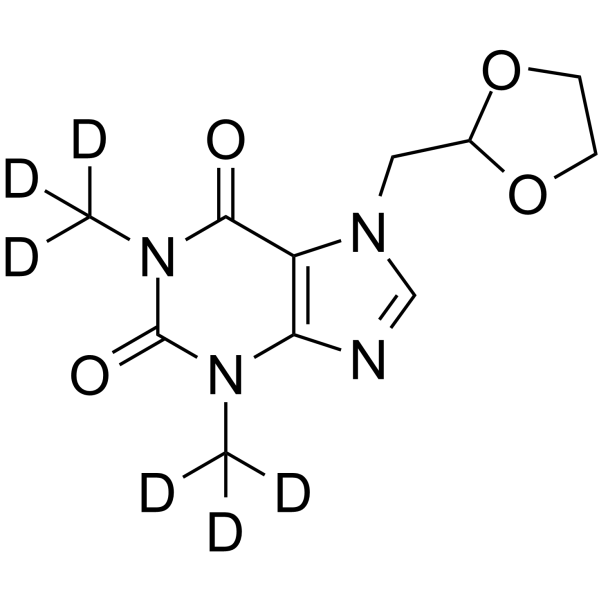 0 ImagesDoxofylline-d6 is the deuterium labeled Doxofylline. Doxofylline is an antagonist of adenosine A1 receptor which also inhibits phosphodiesterase IV.
-
MRE 0094
 0 ImagesSynonyms: SonedenosonMRE 0094 (Sonedenoson) is a selective activator for adenosine receptor A2A, with a Ki of 490 nM. MRE 0094 exhibits anti-platelet and anti-inflammatory activities.
-
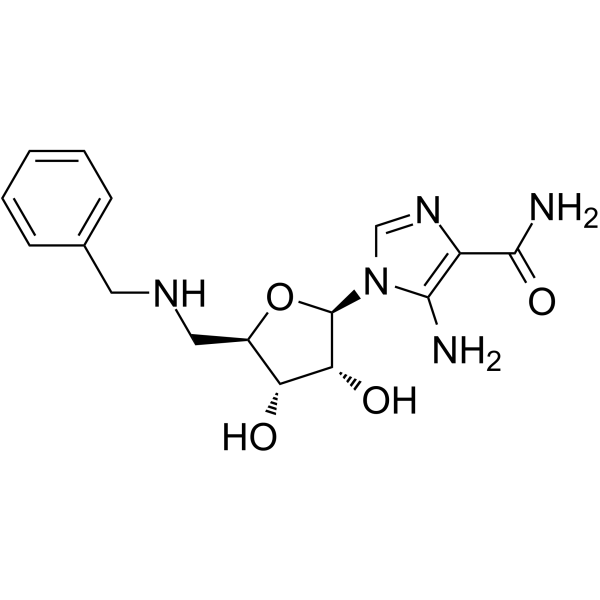
A2B receptor antagonist 2
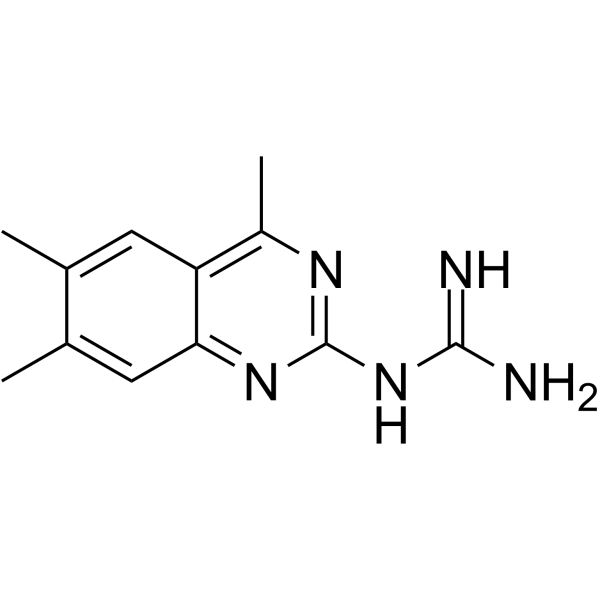 0 ImagesA2B receptor antagonist 2 (compound 18) is an adenosine receptor A2B antagonist, with Ki values of 2.30 μM, 6.8 μM and 3.44 μM for rA1, rA2A and hA2B, respectively.
-
BAY-545
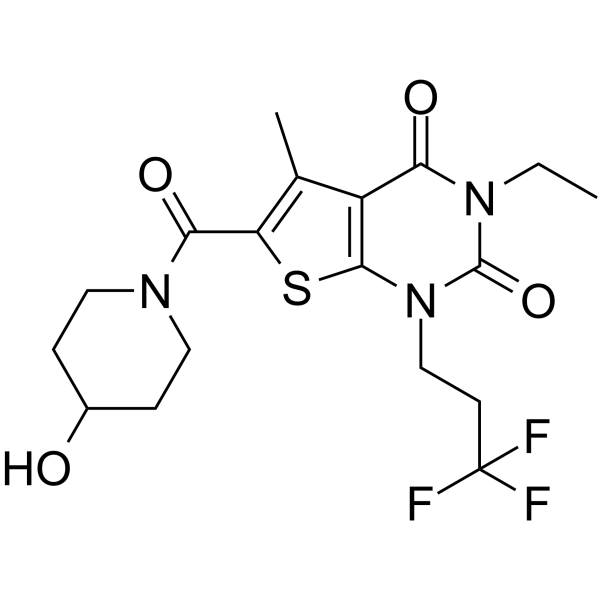 0 ImagesBAY-545 is a potent and selective A2B adenosine receptor antagonist, with an IC50 of 59 nM. BAY-545 also exhibits IC50s of 66, 400, 280 nM for human, mouse, rat A2B adenosine receptor in cells, respectively, and a Ki of 97 nM for human A2B adenosine receptor, with more selectivity over A1, A2A, and A3 adenosine receptor.
-
Adenosine receptor antagonist 2
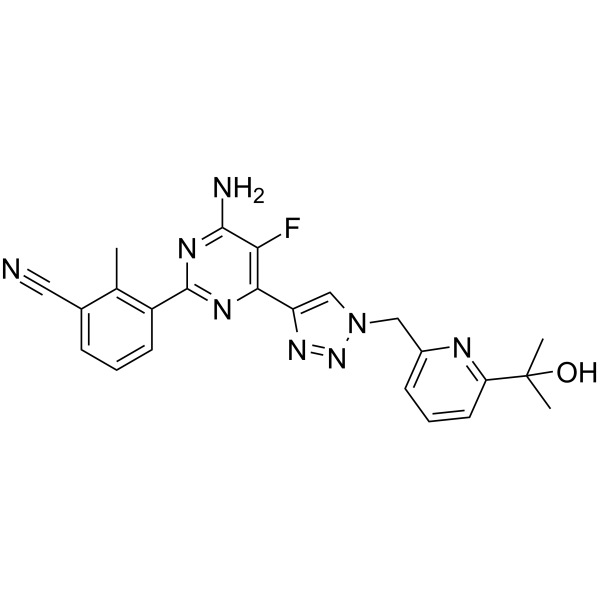 0 ImagesAdenosine receptor antagonist 2 is an orally active A2a/A2b adenosine receptor antagonist with IC50s of 1 nM and 3 nM, respectively. Adenosine receptor antagonist 2 has anti-tumor activity.
-
Istradefylline-13C,d3
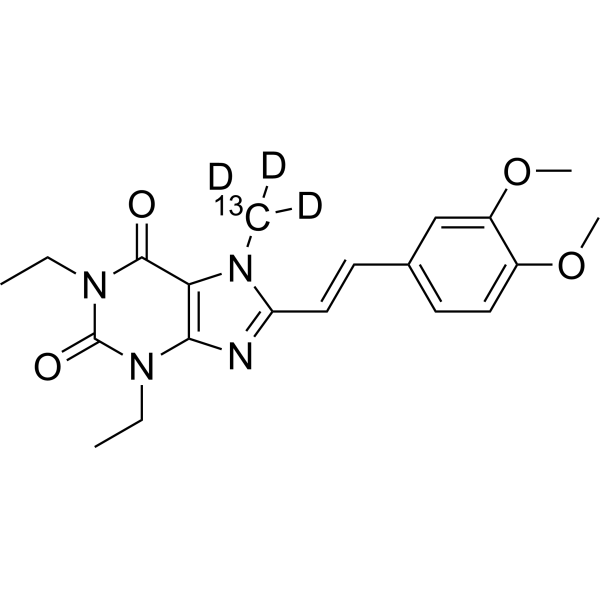 0 ImagesSynonyms: KW-6002-13C,d3Istradefylline-13C,d3 is the 13C- and deuterium labeled Istradefylline. Istradefylline is a very potent, selective and orally active adenosine A2A receptor antagonist with Ki of 2.2 nM in experimental models of Parkinson's disease.
-
N6-(2-Phenylethyl)adenosine
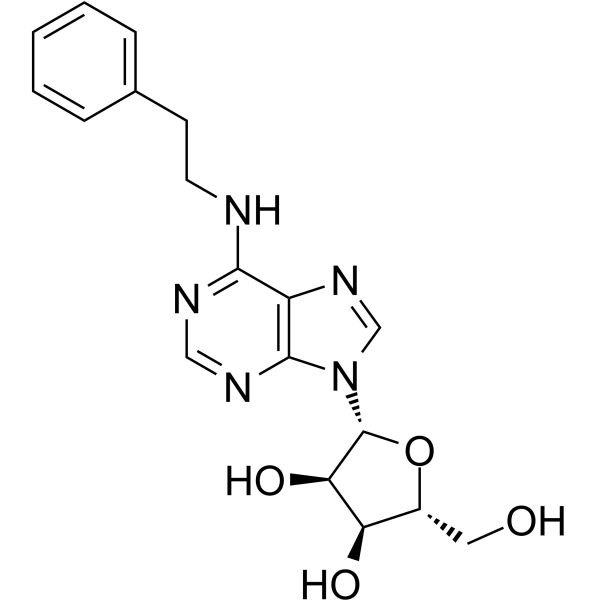 0 ImagesSynonyms: N6-Phenethyladenosine; N6-Phenylethyladenosine
-
JNJ-40255293
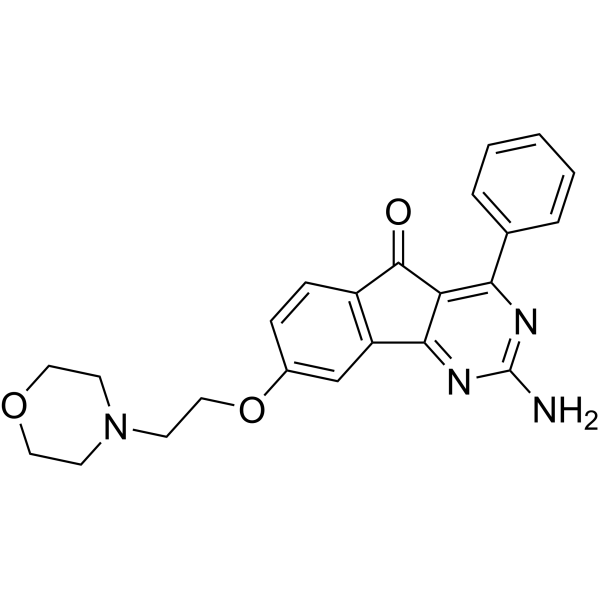 0 ImagesJNJ-40255293 is a high-affinity human A 2A receptor antagonist with a KiKi of 7.5 nM. JNJ-40255293 can be used in the research of neurodegenerative diseases such as Parkinson's disease.
-
MRE3008F20
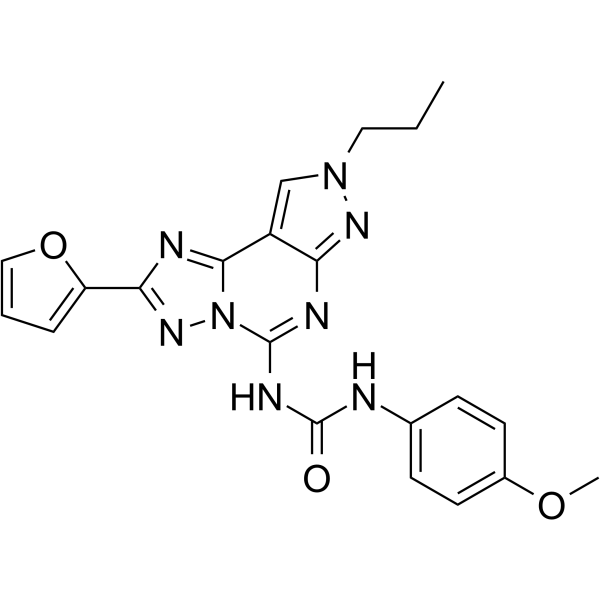 0 ImagesMRE3008F20 is a highly efficient, highly selective and radioactive adenosine A3 receptor (AA3R) antagonist (Ki=1.8 nM). MRE3008F20 effectively antagonises Cl-IB-MECA-induced cAMP production in resting lymphocytes with an IC50 value of 5 nM. MRE3008F20 can be used in the study of AA3R.
-
Tonapofylline
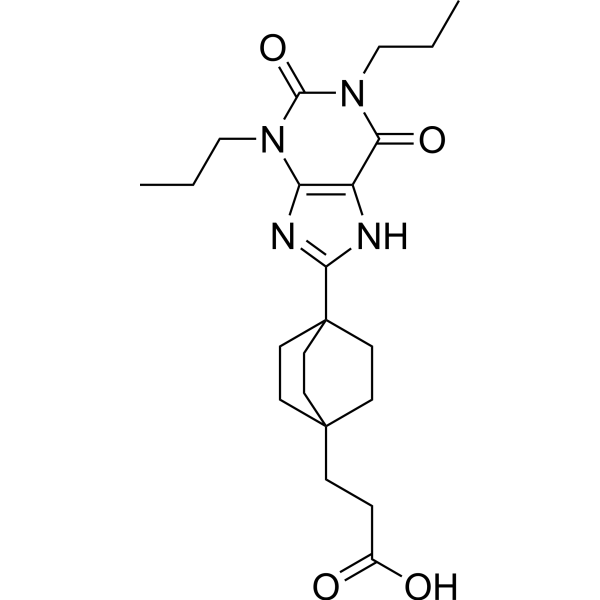 0 ImagesSynonyms: BG 9928Tonapofylline (BG 9928) is an orally active and selective adenosine A1 receptor antagonist with a Ki of 7.4 nM for human adenosine A1 receptor (hA1), which displays 915-fold selectivity versus human adenosine A2A receptor and 12-fold selectivity versus human adenosine A2B receptor and is used in development for the treatment of heart failure.
-
Adenosine 5'-monophosphate monohydrate (Standard)
 0 ImagesSynonyms: 5'-AMP monohydrate (Standard)Cyanidin 3-sambubioside (chloride) (Standard) is the analytical standard of Cyanidin 3-sambubioside (chloride). This product is intended for research and analytical applications. Cyanidin 3-sambubioside chloride (Cyanidin-3-O-sambubioside chloride), a major anthocyanin, a natural colorant, and is a potent NO inhibitor. Cyanidin 3-sambubioside chloride is a H274Y mutation inhibitor, and inhibits influenza neuraminidase activity with an IC50 of 72 μM. Cyanidin 3-sambubioside chloride inhibits angiotensin-converting enzyme (ACE) activity and has antioxidant, anti-angiogenic and antiviral properties.
-
8-(p-Sulfophenyl)theophylline
 0 ImagesSynonyms: 8-SPT; 8-pSPT8-(p-Sulfophenyl)theophylline (8-SPT) (compound 2) is an adenosine A2B receptor antagonist, with a Ki of 1330 nM for A2B human recombinant.
-
Adenosine receptor antagonist 4
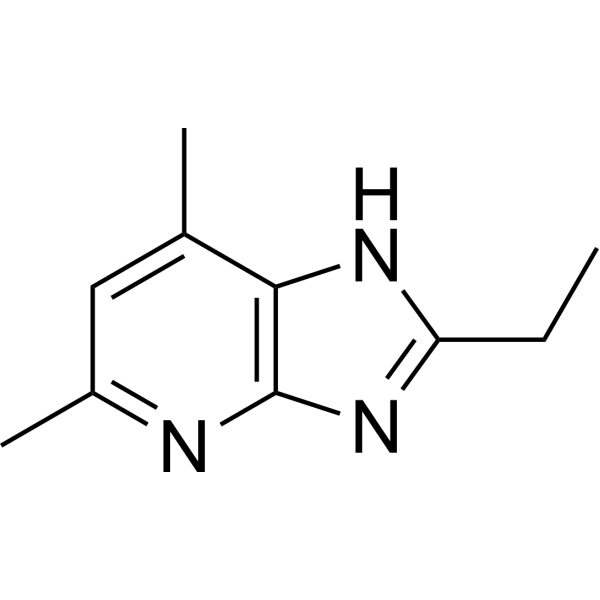 0 ImagesAdenosine receptor antagonist 4 (compound 2) is an adenosine A1 receptor antagonist with a Ki of 101 nM for human A1 receptor.
-
Norisoboldine
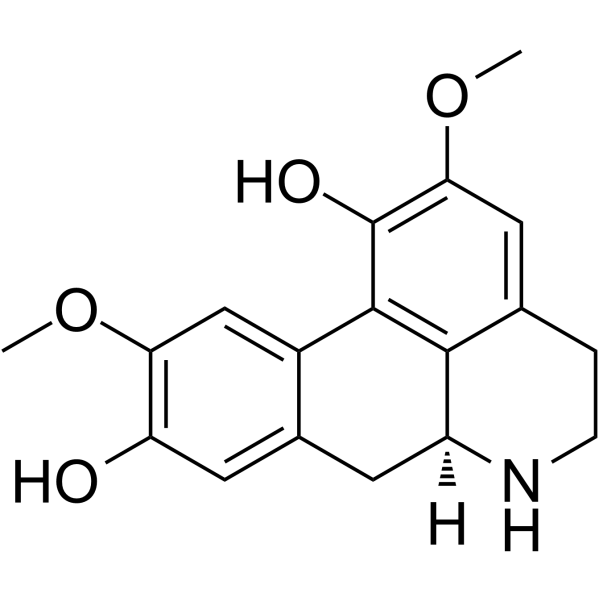 0 ImagesSynonyms: (+)-LaurelliptineNorisoboldine is an orally active natural aryl hydrocarbon receptor (AhR) agonist. Norisoboldine, as a major isoquinoline alkaloid present in Radix Linderae, can be used for the research of Rheumatoid arthritis and Ulcerative colitis.

-
KFM19
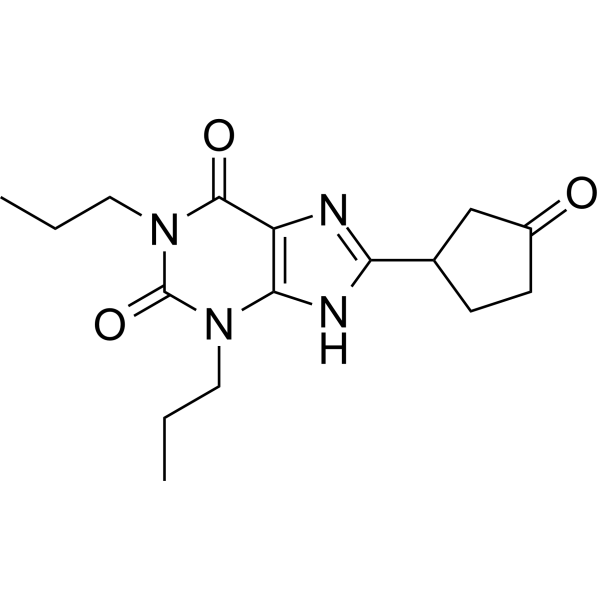 0 ImagesKFM19 is a potent, selective Adenosine receptor (A1-receptor) antagonist, with an IC50 of 50 nM.




